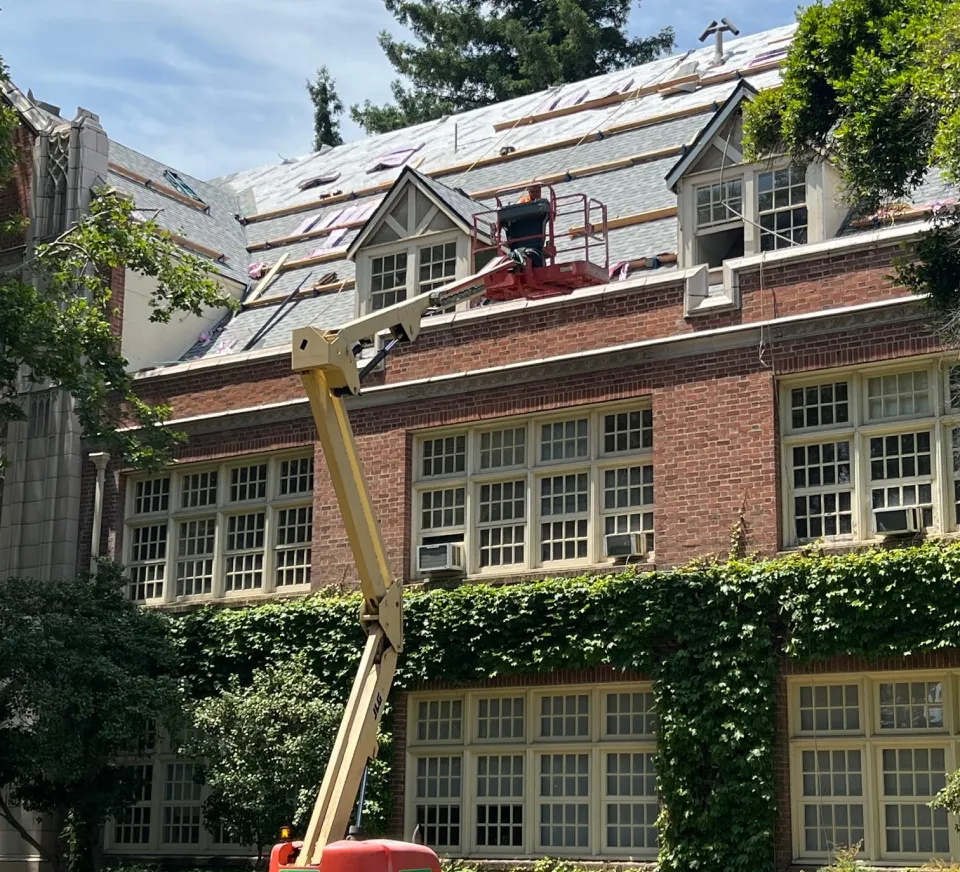
Licensing, Insurance, and Local Reputation Matter
Before hiring anyone to work on your roof, verify that they hold active licenses and proper insurance coverage. In California, state law requires roofers to carry both general liability insurance and workers’ compensation coverage to protect you from financial liability if an accident occurs on your property. Request copies of these documents directly from the contractor and confirm their validity with the issuing agencies.
Local reputation provides valuable insight into how a contractor operates. Modesto’s dry summers and occasional winter storms create specific roofing challenges, so working with roofers who understand regional weather patterns and building codes ensures your project meets local standards. Consider these verification steps:
- Check the contractor’s license status through the California Contractors State License Board (CSLB) website to confirm it is current and free of serious violations or disciplinary actions.
- Request a certificate of insurance directly from their insurance carrier, not just a photocopy, to verify active general liability and workers’ compensation policies with adequate coverage limits.
- Review online feedback from previous clients, paying special attention to comments about communication, project timelines, and how the contractor handled unexpected issues during roof installation or repair work.
- Ask for local references from recent projects similar to yours, whether residential roof installations or commercial roofing projects, and follow up with those property owners about their experience.
Warning Signs During the Estimate Process
The estimate phase reveals a great deal about how a contractor will handle your project. A thorough roof inspection should precede any written proposal, and quality roofers will spend time examining your attic ventilation, flashing details, and underlying structure, not just walking the perimeter and guessing square footage. Contractors who rush through this step or provide instant quotes without climbing onto the roof often miss critical damage that leads to cost overruns later.
Pressure tactics signal trouble. If someone insists you sign immediately to lock in a special price or claims they can start tomorrow because another job just cancelled, proceed with caution. Reputable roofing companies maintain steady schedules and provide clear, written estimates that remain valid for a reasonable period. Watch for these red flags:
- Unusually low bids that undercut other estimates by more than twenty percent, which often indicate substandard materials, unlicensed subcontractors, or plans to add charges once work begins.
- Requests for full payment upfront or large cash deposits before materials arrive on site, a practice legitimate contractors avoid because it leaves you with no leverage if problems arise.
- Vague or incomplete written proposals that lack specific details about materials, brands, warranty coverage, project timeline, or how they will handle roof leak repair if existing damage is discovered.
- Reluctance to provide proof of insurance, evasive answers about licensing, or an inability to supply references from recent new roof installation or commercial roof repair projects in the Modesto area.
Critical Questions Cefore You Commit
Asking the right questions protects your investment and clarifies expectations before work begins. A professional contractor welcomes detailed questions and provides specific answers, not vague assurances. Discussing material options is particularly important because Central Valley temperatures can exceed one hundred degrees in summer, affecting which roofing products perform best. Whether you are considering asphalt shingle roofing, metal roof installation, or another material, understanding the trade-offs helps you make an informed choice.
Warranty coverage deserves careful attention. Most roofing projects include two separate warranties: one from the manufacturer covering the materials and another from the contractor covering the installation workmanship. Clarify what each warranty includes, how long it lasts, and what actions might void the coverage. Here are essential questions to address:
- What specific roofing materials do you recommend for my property, and why are they appropriate for the climate conditions we experience here, including intense summer heat and occasional winter moisture?
- How long will this project take from start to finish, what is your typical daily schedule on site, and what happens if weather delays the roof repair or installation work?
- Who will supervise the crew working on my property, and will the same team handle the entire project from tear-off through final cleanup and roof inspection?
- What does your workmanship warranty cover specifically, how long does it remain valid, and does it transfer if I sell the property before the warranty period ends?
- How do you handle unexpected issues like discovering additional storm damage during tear-off, and will you contact me for approval before proceeding with repairs that increase the project cost?
These conversations also provide an opportunity to discuss related services. If you need gutter guard installation or skylight installation, addressing those needs during the initial planning often saves time and money compared to scheduling separate projects later.
Understanding Timelines and Project Management
Realistic timelines and clear communication prevent frustration and help you plan around the disruption. A typical residential roof replacement takes two to four days for most single-family homes, though larger properties or complex commercial roofing projects require more time. Contractors should provide a detailed schedule that accounts for material delivery, preparation work, installation, and final inspection. In the Modesto area, many property owners prefer scheduling roof work during the dry months between April and October to avoid potential rain delays, though experienced roofers can work safely in cooler winter weather with proper planning.
Daily communication matters. You should know when the crew will arrive each morning, what they plan to accomplish that day, and whether they discovered any issues requiring your attention. Professional contractors protect your landscaping, cover exposed areas if they cannot complete sections before nightfall, and maintain a clean work site throughout the project. Key timeline considerations include:
- Material lead times, which can range from a few days for standard asphalt shingles to several weeks for specialty products like certain metal roof installation materials or custom colors that require special ordering.
- Permitting requirements, as most jurisdictions require building permits for roof replacement and inspection by local code enforcement, adding several days to your project timeline before work begins.
- Weather contingency plans, including how the contractor will protect your home if unexpected rain arrives mid-project and whether they provide temporary weatherproofing for exposed sections overnight.
- Site preparation and cleanup protocols, such as magnetic sweeps to collect stray nails, tarp placement to protect gardens and driveways, and disposal arrangements for old roofing materials removed during the project.
Commercial property owners face additional considerations. Business operations often continue during roof work, so coordinating noise, access, and safety requires more detailed planning. Contractors experienced in both residential and commercial roofing understand these differences and adjust their approach accordingly.
Making a Confident Decision
After gathering estimates and asking questions, trust your instincts about professionalism and communication. The lowest bid rarely represents the best value if it comes with incomplete information, pressure tactics, or reluctance to answer your concerns. Similarly, the highest estimate does not guarantee superior quality. Focus instead on the contractor’s knowledge, transparency, and willingness to explain their recommendations in terms you understand.
Review the written contract carefully before signing. It should specify materials by brand and model number, outline the scope of work in detail, list start and completion dates, clarify payment schedules tied to project milestones, and explain warranty coverage for both materials and labor. A solid contract protects both parties and provides a reference point if disagreements arise during the project. Consider these final steps:
- Compare proposals side by side, noting not just the total price but also material quality differences, warranty terms, and what each contractor includes in their scope of roof repair or installation work.
- Verify that the contract addresses cleanup, disposal, and any necessary repairs to gutters, flashing, or other components discovered during the roofing project that were not visible during the initial inspection.
- Confirm the payment schedule avoids large upfront deposits and ties most payment to completed work, typically with a small deposit, a mid-project payment when materials arrive, and final payment after you approve the finished roof.
- Discuss how the contractor handles communication during the project, including who you should contact with questions and how quickly you can expect responses if concerns arise during roof installation or repair work.
Working with knowledgeable professionals who prioritize clear communication and quality workmanship makes the difference between a stressful experience and a smooth project. Whether you need a free inspection to assess current roof damage or you are ready to discuss options for a new construction project, starting with an informed conversation sets the foundation for a successful outcome.